

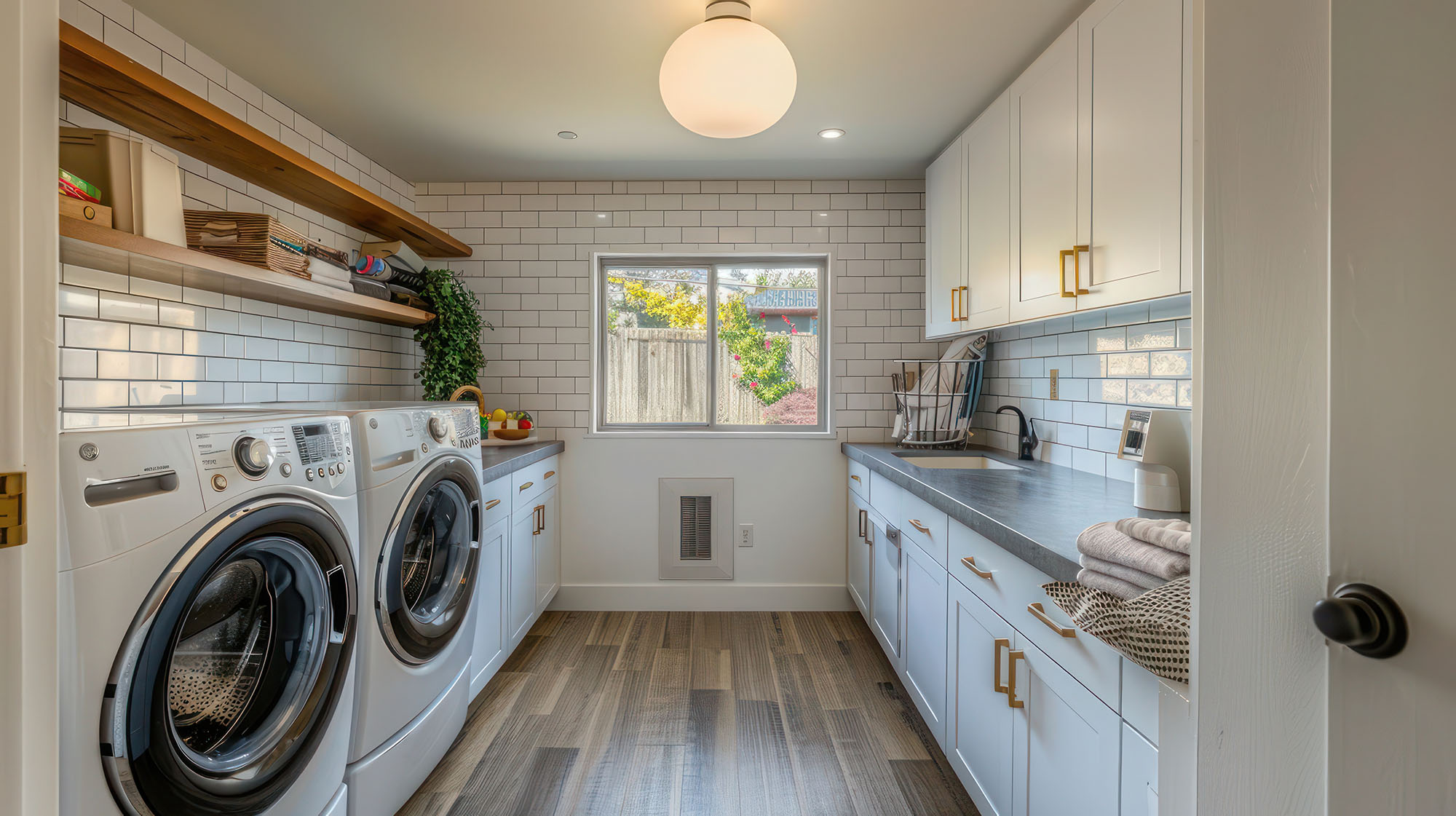
Selecting modern flooring often brings homeowners straight to resilient planks due to their waterproof qualities and realistic wood visuals. When planning a remodel across Southern California, from coastal living spaces in San Diego and National City to busy households in Corona, understanding the internal engineering of your planks makes all the difference. Modern luxury vinyl relies on rigid core constructions that handle moisture, foot traffic, and changing temperatures with exceptional resilience.
The two leading innovations on the market today are Wood Plastic Composite (WPC) and Stone Plastic Composite (SPC). While both styles offer dependable protection against spills and active pets, their interior cores provide distinct benefits in terms of comfort, sound reduction, and impact resistance. Exploring their unique characteristics helps you decide which core type best suits your home layout and lifestyle demands.
Understanding the Core Differences: WPC vs. SPC
Every luxury vinyl plank is built with multiple layers, including a protective wear layer, a high-definition decorative print film, a rigid core, and an attached underlayment backing. The primary distinction between WPC and SPC rests entirely within the chemical makeup of the rigid core.
What Is WPC Luxury Vinyl?
WPC stands for Wood Plastic Composite. This core consists of recycled wood pulp or wood flour, polyvinyl chloride, plasticizers, and foaming agents. The presence of foaming agents creates micro-air pockets within the plank, giving it a thicker profile, greater thermal insulation, and a softer feel underfoot.
Key features of WPC construction include:
Superior Comfort: The aerated core provides subtle cushioning that reduces joint fatigue during prolonged standing in kitchens or laundry rooms.
Acoustic Insulation: Thicker boards absorb ambient sound and footsteps, creating quiet transitions across second-story bedrooms and living areas.
Warmth: Planks retain room temperature naturally, avoiding the cold surface feel common with ceramic or stone surfaces.
What Is SPC Luxury Vinyl?
SPC stands for Stone Plastic Composite, frequently referred to as rigid core vinyl. This core blends natural limestone powder with polyvinyl chloride and stabilizers, omitting the foaming agents found in WPC. The outcome is a thin, ultra-dense, and rock-solid plank engineered for heavy punishment.
Key features of SPC construction include:
Unmatched Dent Resistance: The limestone core resists impressions caused by heavy furniture, dropped kitchen tools, athletic cleats, and active pet claws.
Dimensional Stability: Exceptional structural density prevents expansion and contraction during seasonal weather shifts across hot Inland Empire afternoons or humid coastal mornings.
Subfloor Forgiveness: Because the board is rigid, it bridges minor subfloor imperfections without showing surface telegraphing.
Side-by-Side Comparison for Southern California Homes
Deciding between these two core formulations depends on where the material will be installed and how much traffic your household experiences every day.
Comfort and Sound Performance
If your family prioritizes underfoot comfort, WPC is the standout option. The wood-polymer core mimics the forgiving feel of natural wood, absorbing shock as you walk. Homes with open floor plans or vaulted ceilings also benefit from WPC acoustic dampening properties, which stop room echo. SPC, while dense and solid, can feel firmer under bare feet unless paired with high-grade acoustic underlayment.
Durability and Heavy Foot Traffic
For rental properties, commercial suites, bustling mudrooms, or homes with large dogs, SPC offers an advantage. Both product types feature commercial-grade wear layers to resist scuffs and scratches, but investing in durable luxury vinyl flooring with a stone composite core delivers far greater defense against sudden blunt impacts and structural pressure.
Subfloor Conditions and Preparation
Proper base prep is essential for floating floors. SPC excels when installed over concrete slabs, older ceramic tile, or uneven plywood subfloors because its rigid structure prevents the planks from bending into minor floor dips. WPC is somewhat more pliable and may require extra subfloor leveling to ensure the interlocking click systems remain locked securely over time.
Expert Selection and Installation with Sids Carpet Barn
As a 3rd-generation family-owned flooring company serving San Diego County and Southern California since 1950, Sids Carpet Barn maintains large inventories of in-stock materials to suit any residential or commercial design vision. We purchase direct in bulk, allowing our flooring store to provide premium brand materials with maximum savings.
Whether you plan a DIY weekend project using our cash-and-carry warehouse specials or require full-service professional installation, our dedicated flooring experts help verify subfloor conditions, moisture levels, and room transitions. We also offer next-day installation on select in-stock lines to keep your remodel moving smoothly.
Contact Us Today
Transforming your home starts with selecting high-performing materials designed for everyday living. Schedule a free estimate with our knowledgeable team, or explore convenient shop at home flooring appointments to compare sample planks right in your natural room lighting. Visit any of our showrooms in San Diego, National City, or Corona today to discover unmatched value and service on the finest luxury vinyl collections.
Frequently Asked Questions About WPC and SPC Vinyl
Are both WPC and SPC luxury vinyl 100% waterproof?
Yes, both core constructions are impervious to water. Neither wood composite nor stone composite cores will swell, warp, or crack when exposed to top-down surface moisture, making both options ideal for bathrooms, kitchens, laundry spaces, and entryways.
Can SPC flooring be installed over existing tile?
Yes, SPC can often be placed directly over hard-surface ceramic or porcelain tile, provided the existing grout lines are not excessively deep or wide. The rigid core prevents the vinyl surface from sagging into underlying grout joints.
Which option is better for sunrooms and areas with temperature swings?
SPC is preferred for spaces with direct sunlight, wide temperature shifts, or large picture windows. Its stone-based core provides higher dimensional stability, resisting expansion and contraction in heat much better than softer composite materials.


